
Guide to Customs and Transshipment Processes in Transit Logistics
VRL Gümrük & Transit Operasyonları
Uluslararası Koridor & Antrepo Uzmanı
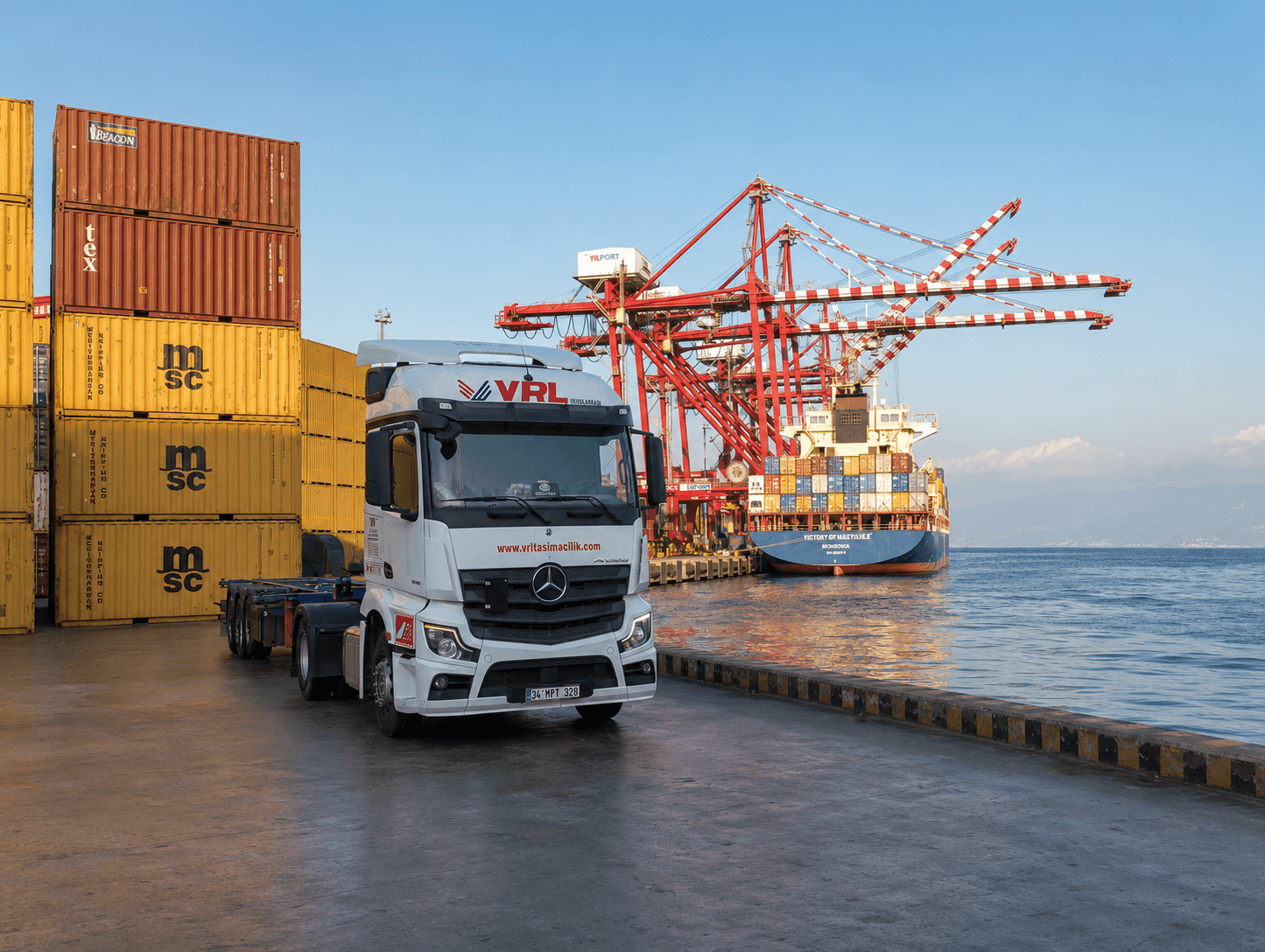
Table of Contents
Core Principles of Transit Logistics and Strategic Corridors
The underlying premise of the transit regime is allowing goods to traverse the customs territory toward their final destination without entering the domestic market, exempt from import duties and domestic trade policy measures. These movements rely heavily on multimodal combinations involving maritime, road, and rail links.
Strategic road networks and modern port terminals connecting the Black Sea, Aegean, and Mediterranean offer global traders a distinct competitive edge when transshipment schedules are managed with pinpoint precision.
- Duty-exempt seamless cross-border freight under secure customs guarantees.
- Rapid port-to-road transitions connecting European and Asian trade corridors.
- Zero regulatory compliance penalties through proactive documentation verification.
Transit logistics demands merging geographical advantages with uncompromising scheduling and regulatory mastery.
Managing Transit Customs Documents: T1, T2, and TIR Carnets
Flawless documentation forms the backbone of every cross-border transit movement. Under the Common Transit Convention, the T1 document (for non-Union goods) and T2 document (for Union goods) guarantee duty coverage throughout the transit route.
With digital declarations submitted via the New Computerised Transit System (NCTS), clearance data is processed before trucks even arrive at the border. TIR Carnets also remain an efficient, internationally recognized financial guarantee instrument.
- Error-free electronic declaration registration and tracking in the NCTS platform.
- Comprehensive customs guarantee lines to eliminate border inspection bottlenecks.
- Exact alignment between CMR consignment notes, certificates of origin, and transit declarations.
Digital NCTS declarations backed by adequate guarantees cut border queue times significantly.
Cross-Docking Operations in Free Zones and Bonded Warehouses
When maritime containers need to transfer cargo directly into road trucks—or vice versa—cross-docking strategies eliminate intermediate storage overheads. Cargo is transferred directly under customs surveillance, saving valuable transit days.
Value-added logistics services including packaging inspections, labeling, and condition verification are carried out at bonded facilities to guarantee that consignments reach end receivers in pristine order.
- Truck-to-container synchronization preventing unnecessary warehouse storage costs.
- Automated barcode and packaging integrity scans during transshipment handling.
- Standardized customs seal removal and re-affixing protocols under official oversight.
Optimized cross-docking suppresses demurrage expenses while speeding up overall freight turnaround.
Time Management Strategies to Eliminate Demurrage and Storage Costs
Discharging maritime containers within their designated free-time window and loading them promptly onto road trailers prevents punitive demurrage, detention, and port storage fees from escalating.
VRL Taşımacılık completes all customs releases and transport allocations well ahead of vessel berthing, shrinking dock dwell times to absolute minimums and keeping shipping budgets strictly on track.
- Daily monitoring of carrier free-time terms combined with advance booking workflows.
- Priority port gate access scheduling and streamlined inspection appointments.
- Contingency routing and fleet redundancy plans against unexpected border congestion.
In port logistics, every idle hour incurs cost; proactive document filing completely eliminates idle container charges.
Digital Fleet Tracking, Seal Integrity, and Seamless Border Crossings
Maintaining certified customs seals intact and adhering strictly to assigned transit routes are mandatory legal duties. Advanced GPS telematics track vehicle positions in real time to detect unauthorized deviations or unscheduled stops.
Electronic seals and automated green-channel clearance lanes allow authorized transit fleets to pass checkpoints expeditiously without time-consuming physical cargo unstuffing.
- Customs-approved high-security bolt seal inspection and logging.
- Continuous 24/7 telematics geofencing to prevent deviation alerts.
- Real-time border gate queue monitoring and dynamic corridor rerouting.
Verified seal integrity and real-time fleet telematics guarantee smooth, expedited border crossings.
VRL Taşımacılık Transit Advisory
"Ensure that commercial invoices, HS commodity codes, and net/gross weights match the Transit Accompanying Document (TAD) down to the exact kilogram. Discrepancies can trigger comprehensive physical examinations and costly border delays."
6-Step International Transit Logistics Checklist
Summary & Next Steps
Successful transit logistics requires profound regulatory insight, punctual operational discipline, and dependable global agency coordination. Rely on VRL Taşımacılık to move your transit shipments across borders on time and within budget.
Related Articles
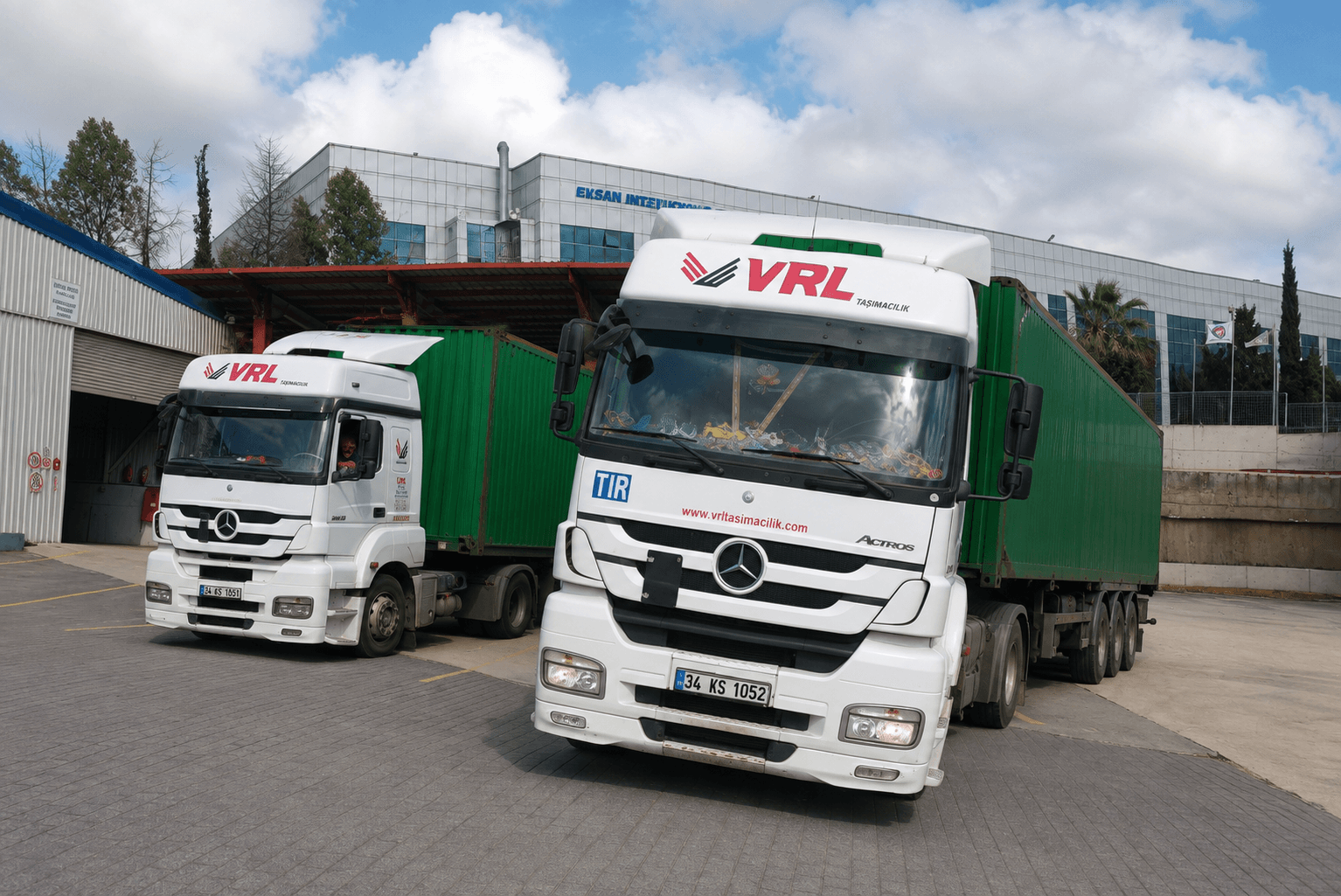
Key Tips and Best Practices in Container Transportation
Essential insights to minimize costs, eliminate cargo damage risks, and avoid costly port demurrage in international and domestic container freight.
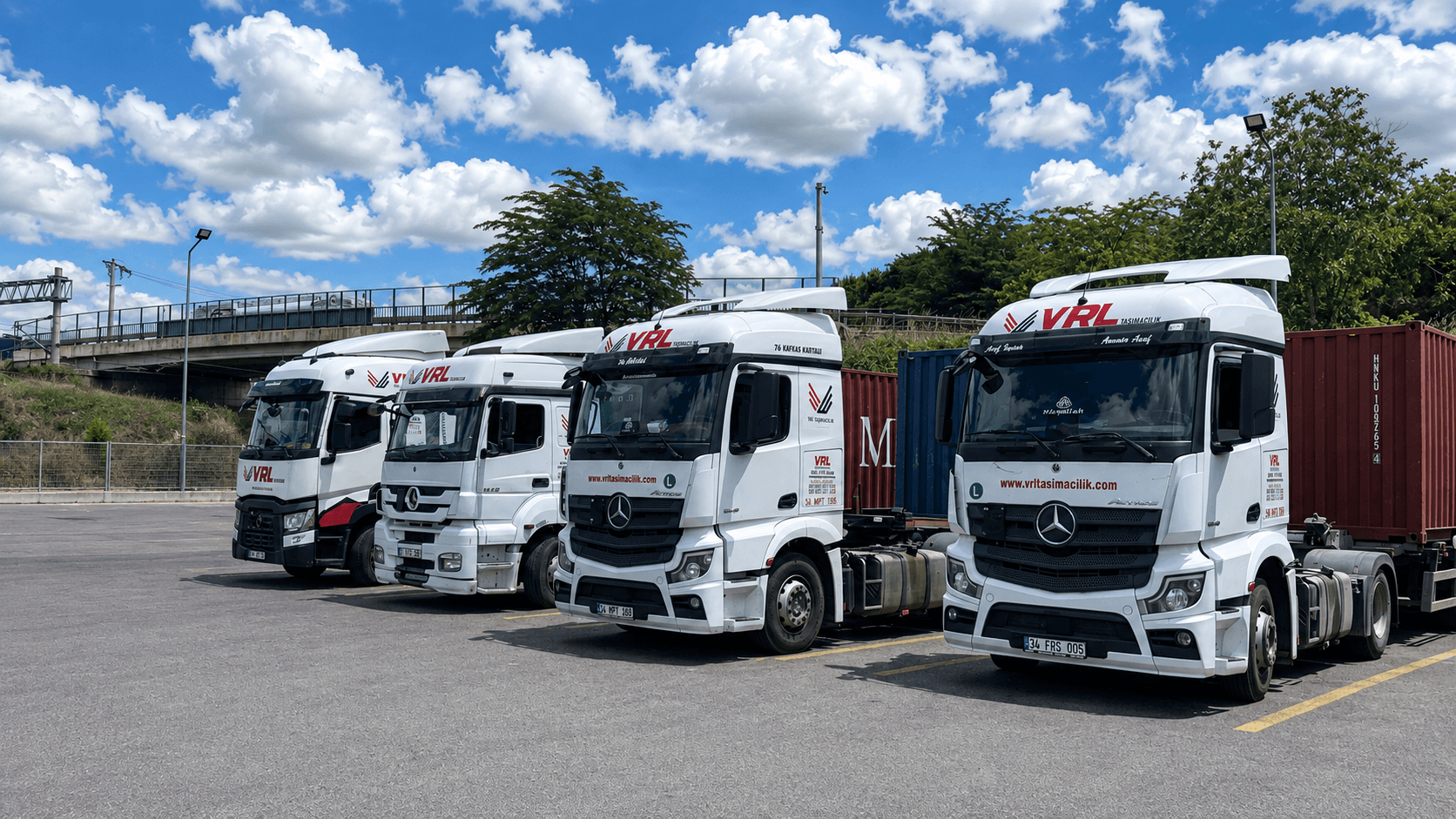
Key Safety Measures and Best Practices in Freight Delivery
Essential security protocols, real-time GPS fleet monitoring, tamper-evident sealing, and handover checklists to safeguard cargo against theft and damage.
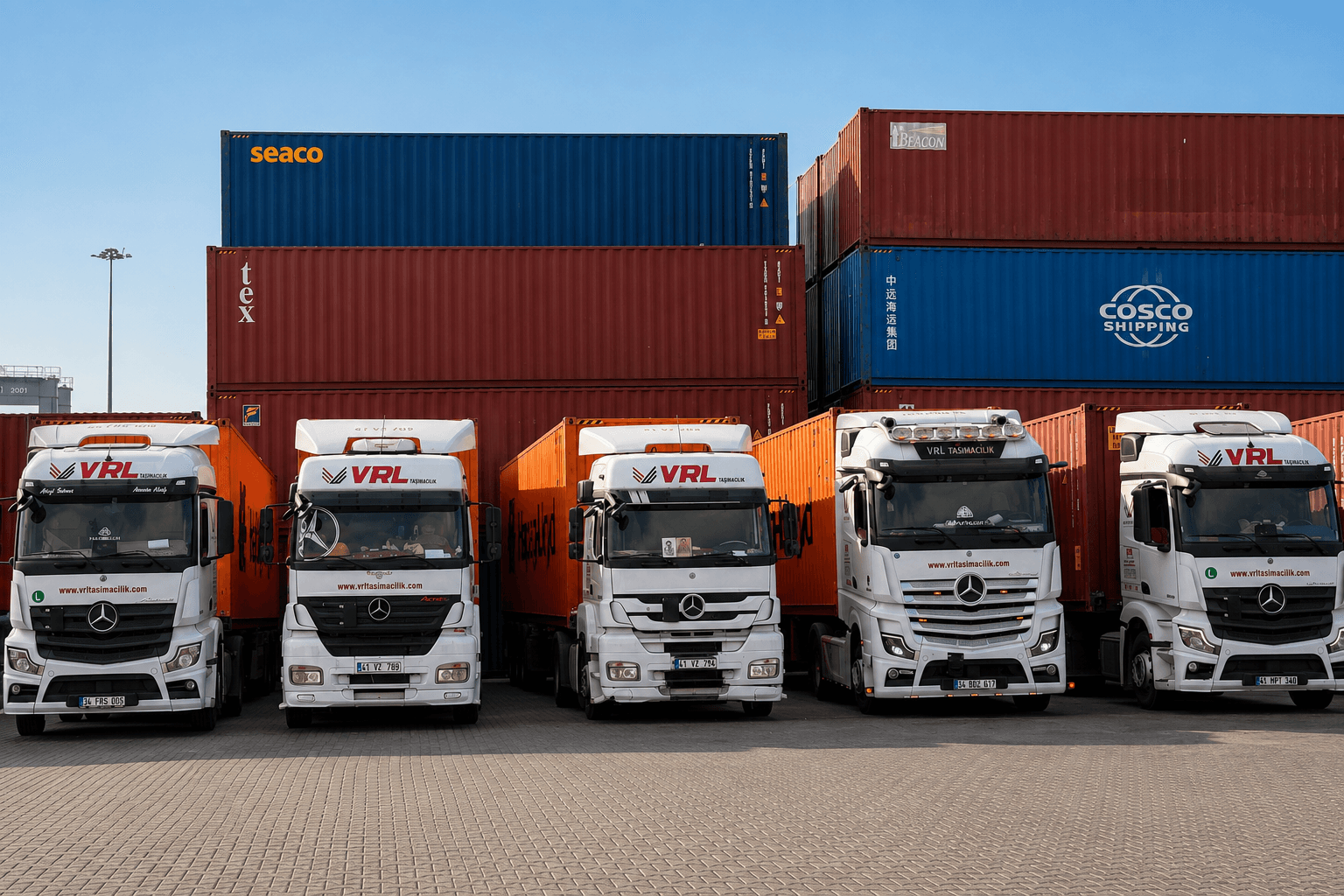
How to Reduce Logistics Costs with Groupage (LTL) Transport
Learn how partial freight consolidation allows you to pay solely for the space your cargo occupies, trimming freight overhead by up to 40%.