
Key Tips and Best Practices in Container Transportation
VRL Operasyon Ekibi
Denizyolu & Karayolu Lojistik Uzmanı
Table of Contents
1. Select the Optimum Container Type for Your Cargo
Not all freight belongs in a standard 20' or 40' dry container. Volume, net weight, temperature sensitivity, and crane handling constraints dictate equipment selection.
For lightweight voluminous goods, 40' High Cube (HC) containers offer extra vertical headroom, reducing your unit freight expense. Temperature-sensitive perishables demand certified Reefer units, while out-of-gauge equipment calls for Open Top or Flat Rack containers.
- Dry Van (20' & 40'): Standard general boxed and palletized dry cargo.
- High Cube (40' HC): 30 cm extra clearance for high-volume, low-density cargo.
- Open Top & Flat Rack: Oversized industrial machinery requiring crane top-loading.
- Reefer Units: Precision climate control from -30°C to +30°C for pharmaceuticals and food.
Selecting the wrong container specification leads directly to rejected gate-in or inflated unit costs.
2. Certified Cargo Lashing & Weight Distribution
Over 70% of transit cargo damage originates from inadequate lashing or unbalanced stowage. Ocean swell and sudden road deceleration generate massive G-forces that can break unsecured cargo.
Heavy goods must occupy the lower level and be evenly spread across crossmembers. Empty voids between pallets should be pressurized with certified dunnage air bags, while heavy equipment requires industrial ratchet straps and chocks.
- The center of gravity must align with the container's geometric center.
- Dunnage and wood bracing must comply strictly with international ISPM 15 heat treatment norms.
- Inflatable dunnage bags absorb lateral dynamic shocks effectively.
3. Prevent Container Sweat and Humidity Contamination
Drastic temperature swings across climatic zones cause interior atmospheric moisture to condense onto metal ceilings—a phenomenon known as 'container rain'.
This can degrade cardboard packaging, cause corrosion on metal surfaces, and spoil agricultural products. Installing high-absorption container desiccant bags along interior walls prevents moisture buildup.
Always inspect wooden flooring for pre-existing dampness prior to loading.
4. Proactive Management of Demurrage and Detention Fees
Port storage and equipment detention fees represent the most avoidable financial leaks in logistics. Exceeding contracted port free time triggers steep daily penalties.
Pre-clearing customs documents, negotiating extended free time at destination ports, and pre-booking drayage trucks ensure containers move immediately upon vessel discharge.
- Negotiate 14–21 days of destination free time whenever feasible.
- Submit commercial invoices, bills of lading, and packing lists at least 48 hours before port arrival.
- Pre-schedule port-to-warehouse drayage haulage to eliminate terminal dwell.
5. High-Security Bolt Seals & Verified Gross Mass (VGM)
SOLAS regulations mandate that verified gross mass (VGM) certificates be submitted before vessel load lists close. Discrepancies result in offloading and rolling.
Ensure an ISO 17712 compliant high-security bolt seal is fastened immediately after stuffing, and verify the seal serial number on all shipping paperwork.
VRL Logistics Expert Note
"Container shipping is more than moving a steel box from A to B; it is a synchronized operational flow encompassing equipment readiness, carrier booking, port drayage, and customs clearance. VRL Logistics provides transparent, end-to-end container forwarding solutions across international trade lanes."
Pre-Stuffing 6-Point Container Checklist
Summary & Next Steps
Partnering with an experienced freight logistics provider is the surest way to mitigate transit risks and maintain cost-efficiency. VRL Logistics stands ready to optimize your containerized supply chain.
Related Articles
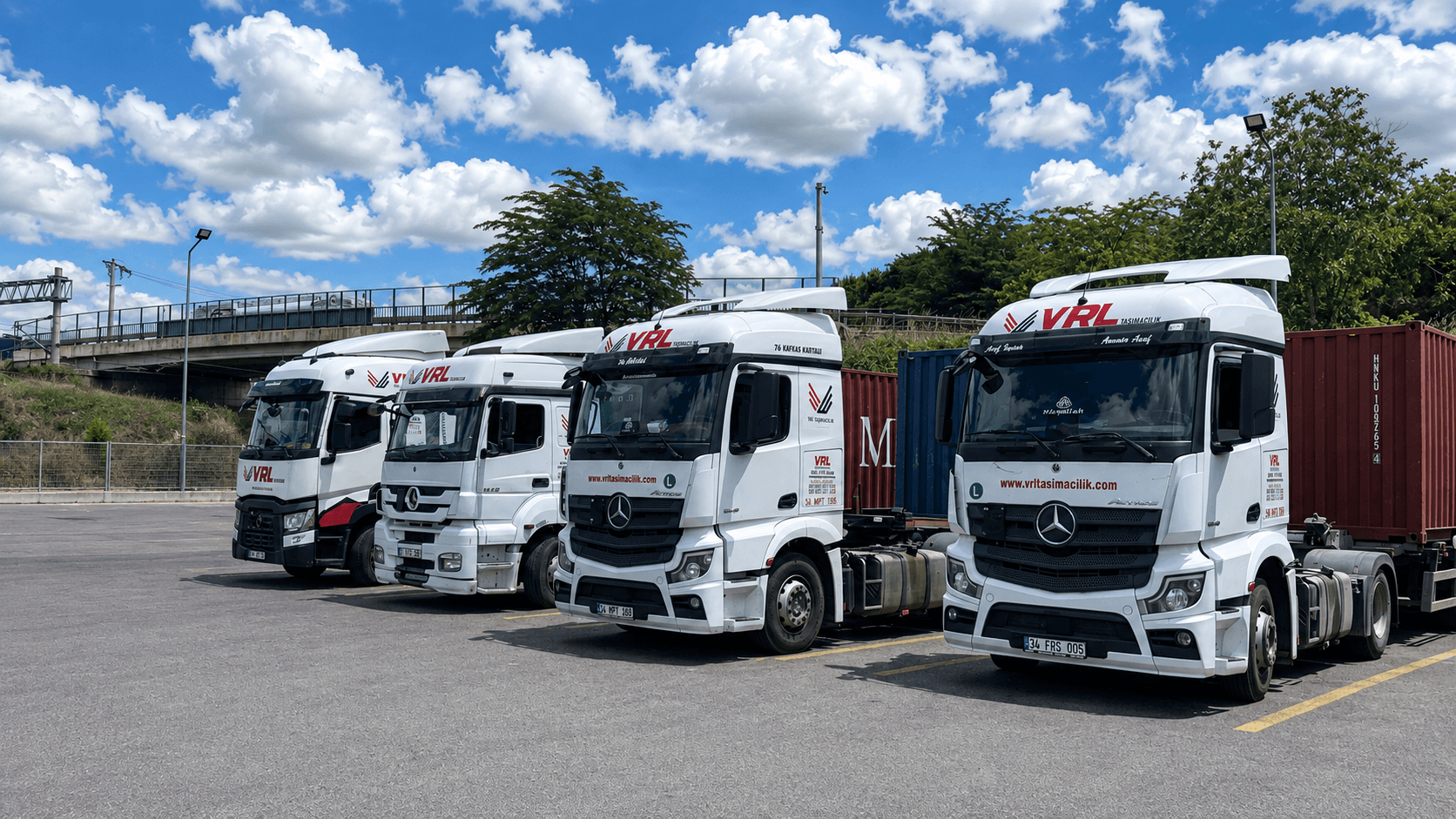
Key Safety Measures and Best Practices in Freight Delivery
Essential security protocols, real-time GPS fleet monitoring, tamper-evident sealing, and handover checklists to safeguard cargo against theft and damage.
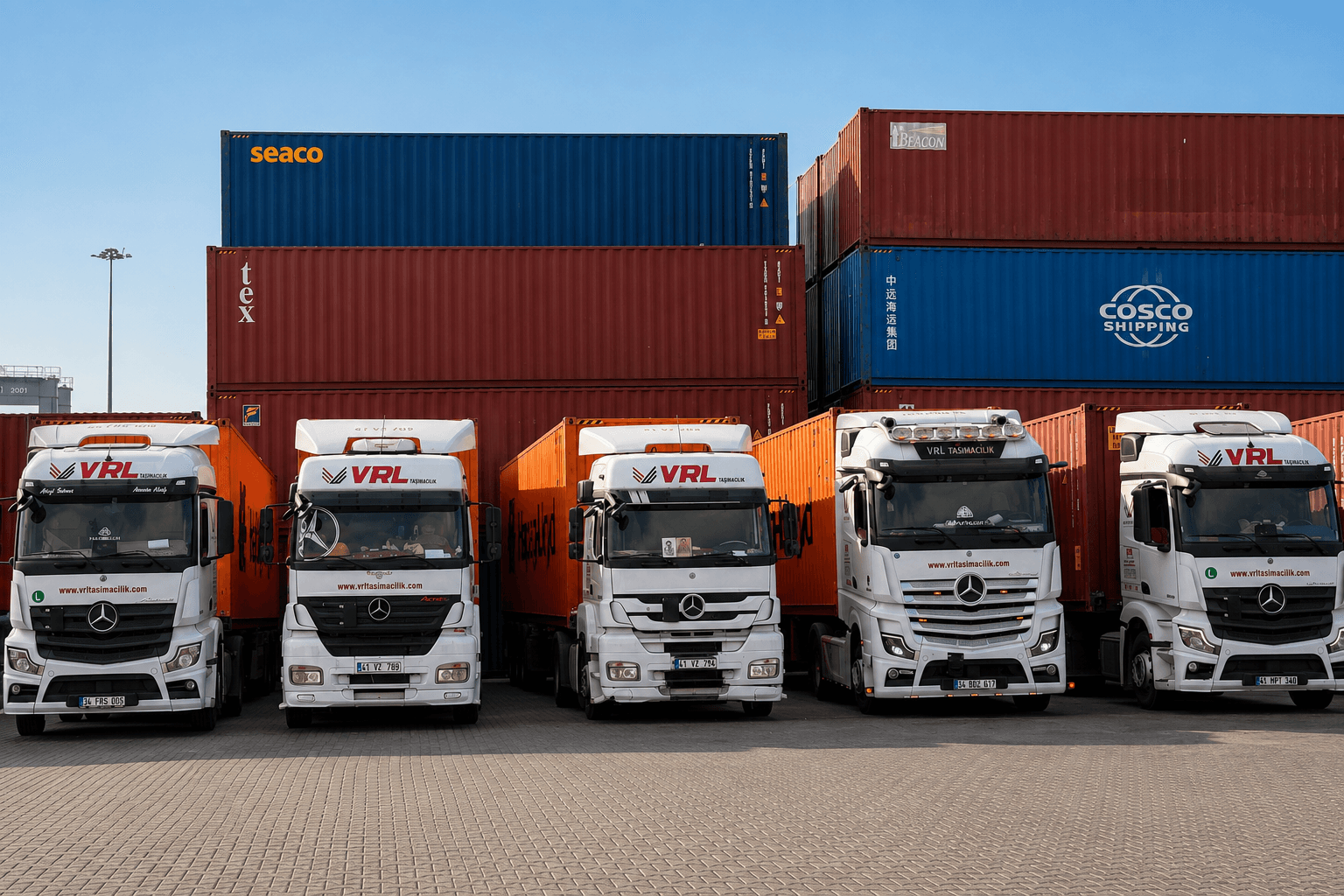
How to Reduce Logistics Costs with Groupage (LTL) Transport
Learn how partial freight consolidation allows you to pay solely for the space your cargo occupies, trimming freight overhead by up to 40%.
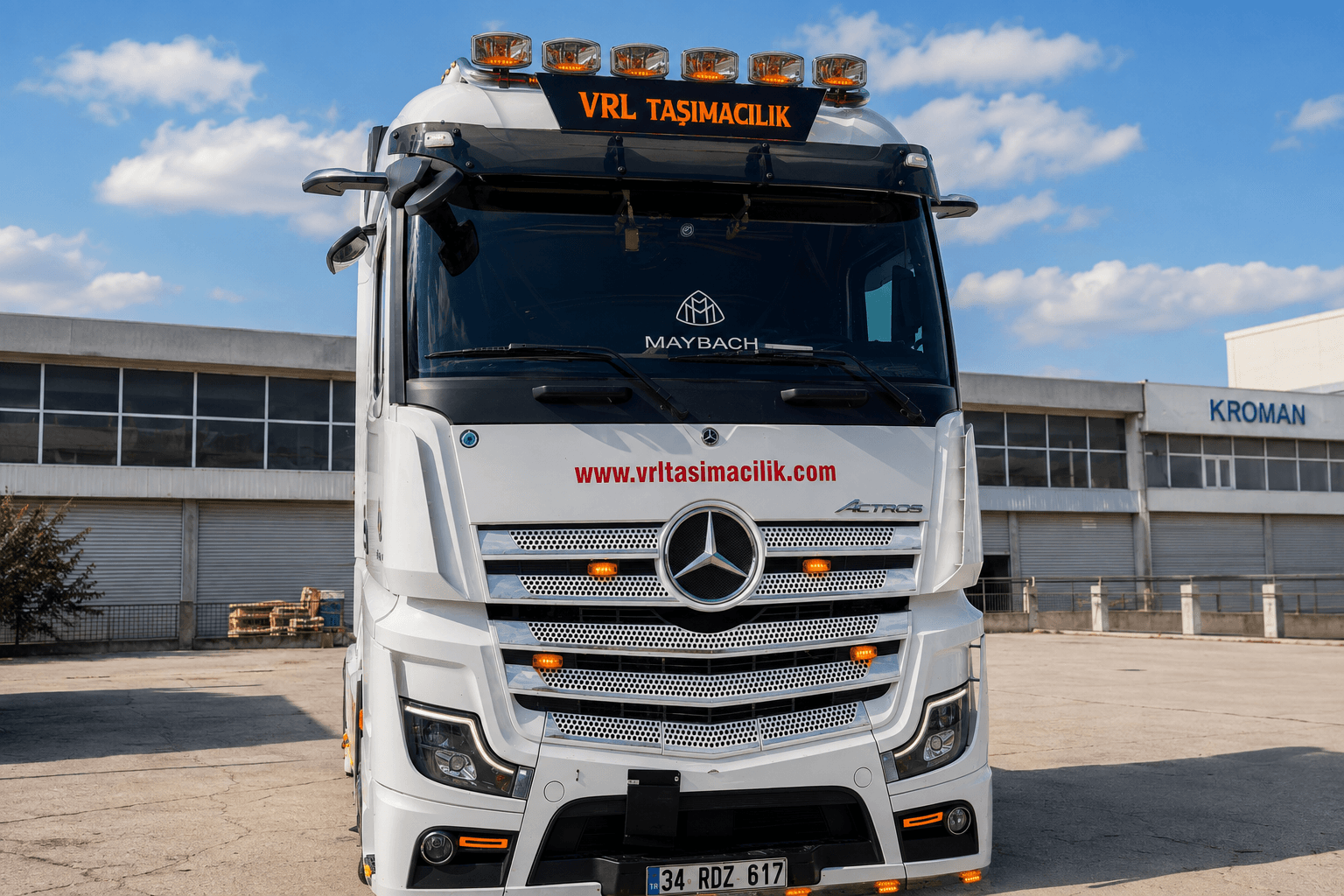
Essential Guidelines for Heavy Haulage and Oversized Cargo
Critical operational standards for transporting out-of-gauge industrial machinery, transformers, and turbines safely across domestic and international corridors.