
Key Safety Measures and Best Practices in Freight Delivery
VRL Güvenlik & Operasyon
Lojistik & Sevkiyat Güvenliği Uzmanı
Table of Contents
1. Real-Time GPS Tracking & Telematics Fleet Monitoring
Continuous fleet visibility forms the cornerstone of modern cargo protection. Throughout transit, vehicle geolocation, speed variance, and rest durations must be monitored 24/7 via advanced telematics.
Geo-fencing algorithms immediately alert central dispatch if a haulier strays from approved corridors or engages in unscheduled stops, enabling swift intervention within seconds.
- Instant SMS and dispatch alerts triggered by route deviations or unauthorized stops.
- Live temperature and humidity telematics for sensitive cold chain consignments.
- Digital tachograph logging to monitor driver driving hours and rest compliance.
Dual-mode (cellular plus satellite) telemetry ensures uninterrupted monitoring across remote transit corridors.
2. High-Security Tamper Seals & Verification Protocols
Affixing a certified security seal immediately upon stuffing serves as the primary legal evidence that goods traveled uncompromised from origin to destination.
Carriers should strictly mandate ISO 17712 compliant barrier bolt seals over flimsy plastic tags. High-resolution photos of the sealed locking bar must be recorded and matched against the bill of lading and CMR note.
- Inspect door hinges, locking bars, and rivets for tampering before seal placement.
- Transmit digital photo proof of the seal serial number to the consignee before wheels roll.
- If customs authorities break seals for inspection, immediately document the new seal number.
3. Safe Route Planning & Certified Secure Truck Parking
Over 80% of road cargo thefts occur at unlit, unfenced roadside laybys and unmonitored rest stops during statutory driver breaks.
Transit schedules must dictate mandatory stops exclusively at fenced, monitored, TAPA-certified secure truck parks. For high-theft corridors, scheduling daylight-only transit drastically limits vulnerability.
Deploying team drivers (two drivers per cab) virtually eliminates prolonged dwell times and cuts security exposure in half.
4. Identity Verification at Handover & Digital Proof of Delivery
The final handover is the critical juncture where disputes arise. Drivers must verify the consignee representative's photo ID and inspect seal integrity prior to releasing vehicle doors.
Physical piece counts and outer packaging audits must precede sign-off. Electronic Proof of Delivery (e-POD) systems capture GPS-tagged timestamps and recipient signatures, eliminating invoice reconciliation disputes.
- Cut seals solely in the direct presence of the authorized receiving agent.
- Record any packaging scuffs or carton damage immediately onto the consignment note.
- Ensure the delivery voucher contains the printed name, title, and company stamp of the recipient.
5. Comprehensive All-Risks Cargo Insurance & Emergency Protocols
Despite best-in-class preventative measures, traffic incidents and force majeure events demand comprehensive financial insulation via 'All-Risks' marine cargo coverage.
Additionally, carriers should maintain an active 24/7 crisis hotline and pre-arranged relief vehicle dispatch agreements to secure loads in transit breakdowns.
VRL Logistics Security Directive
"Delivery security is far more than heavy locks; it is an orchestrated discipline encompassing vetted drivers, continuous telematics, intelligent routing, and meticulous proof-of-delivery governance. VRL Logistics protects every consignment under rigorous zero-loss protocols."
6-Point Pre-Dispatch Security Checklist
Summary & Next Steps
Never leave freight safety to chance. Partner with VRL Logistics to secure your cargo with industry-leading tracking, vetted personnel, and proven operational discipline.
Related Articles
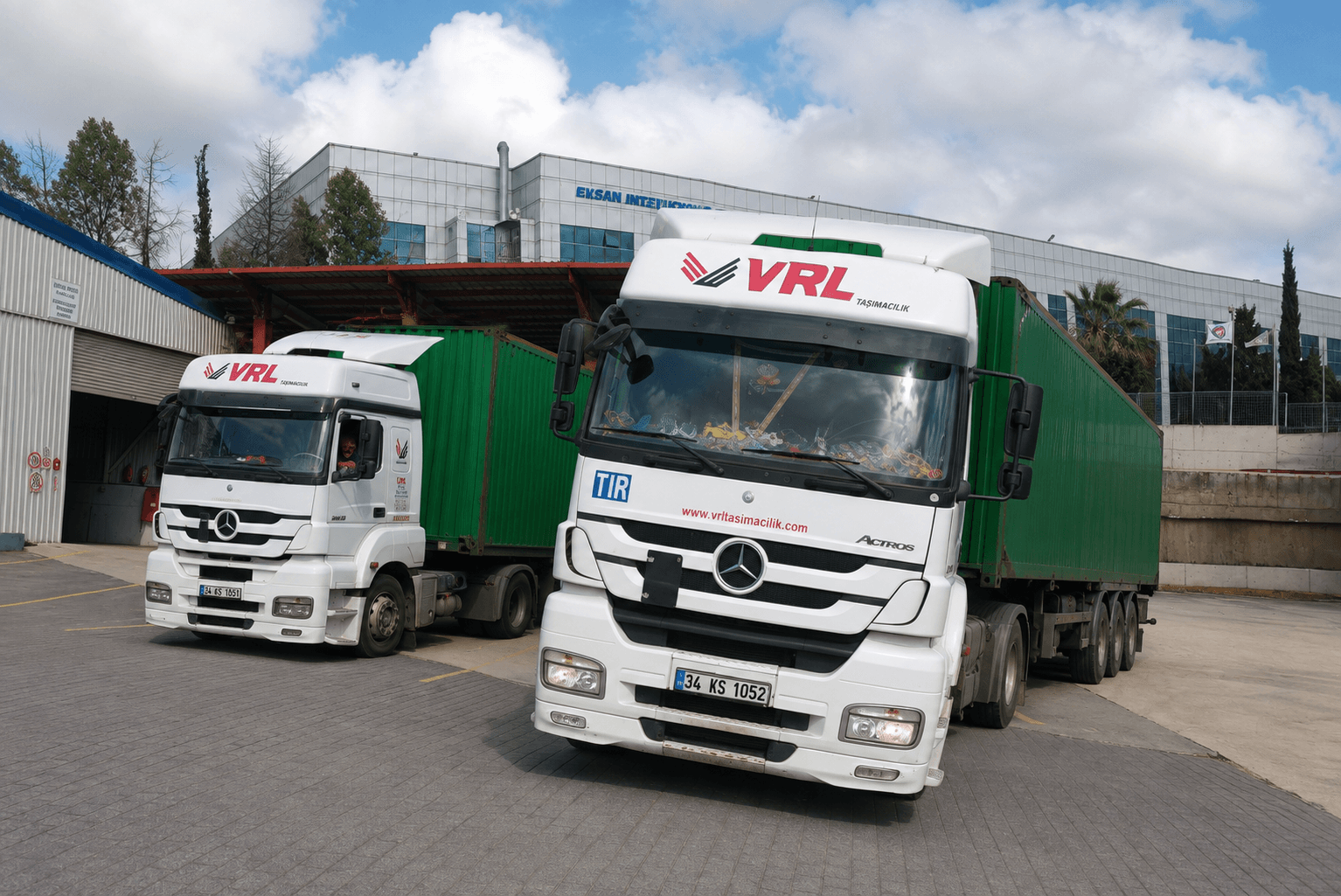
Key Tips and Best Practices in Container Transportation
Essential insights to minimize costs, eliminate cargo damage risks, and avoid costly port demurrage in international and domestic container freight.
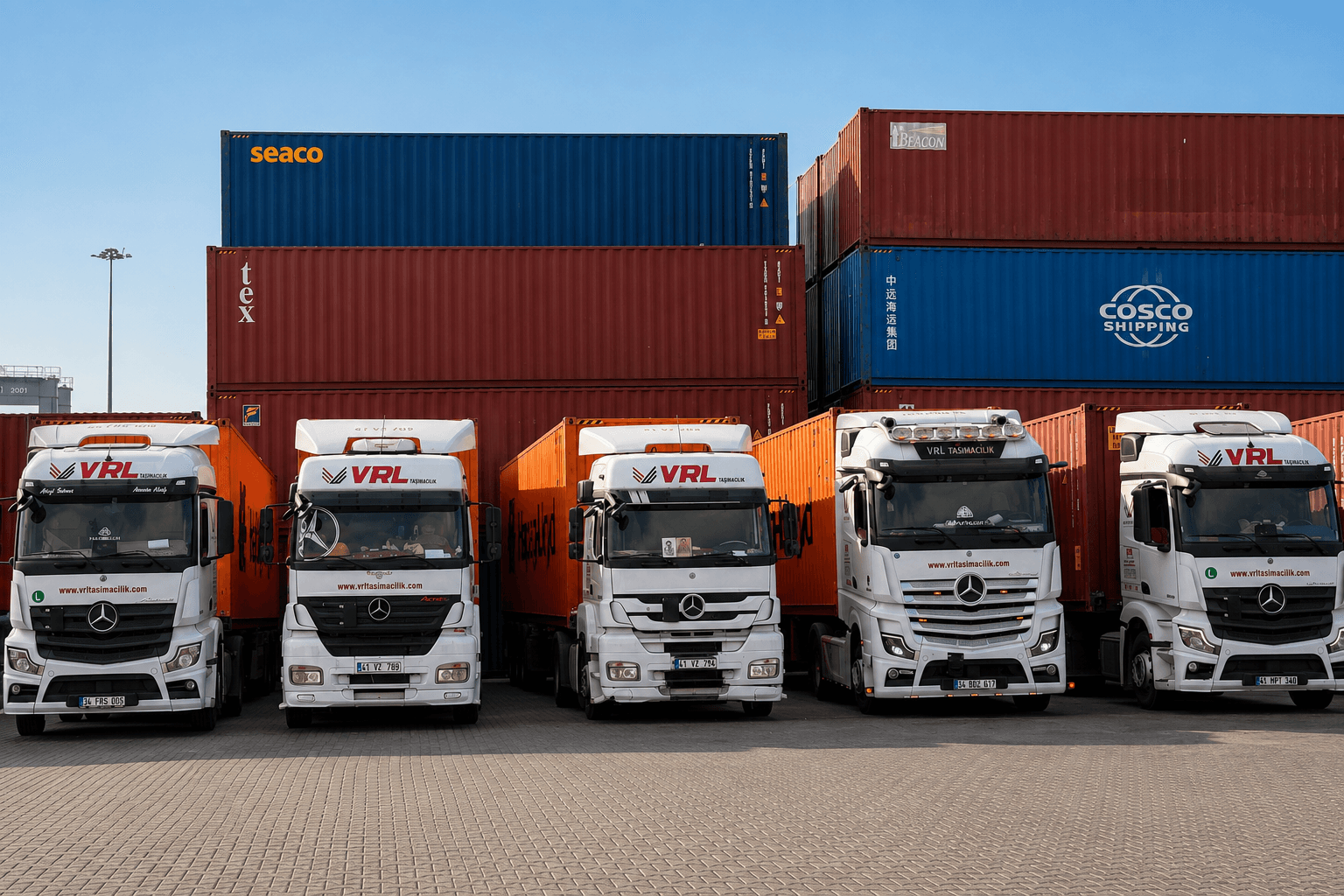
How to Reduce Logistics Costs with Groupage (LTL) Transport
Learn how partial freight consolidation allows you to pay solely for the space your cargo occupies, trimming freight overhead by up to 40%.
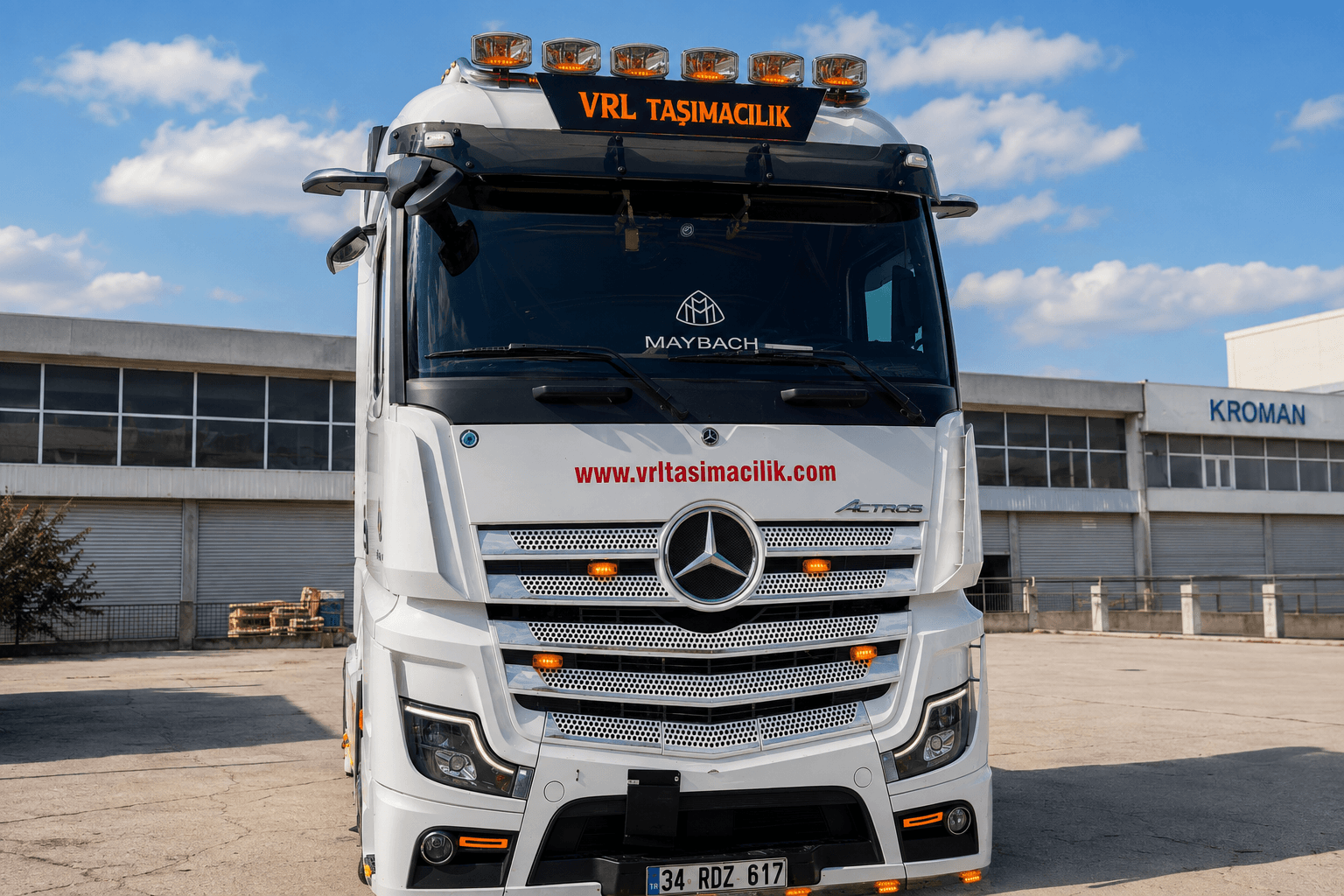
Essential Guidelines for Heavy Haulage and Oversized Cargo
Critical operational standards for transporting out-of-gauge industrial machinery, transformers, and turbines safely across domestic and international corridors.