
Essential Guidelines for Heavy Haulage and Oversized Cargo
VRL Proje & Ağır Yük Ekibi
Gabari Dışı & Proje Kargo Uzmanı
Table of Contents
1. Selecting the Right Lowbed Trailer for Payload and Geometry
Standard trailers cannot accommodate heavy machinery; hydraulic multi-axle lowboys, drop-decks, or modular trailers must be matched strictly to cargo geometry and axle loading allowances.
Axle load distribution must adhere strictly to statutory bridge limits. Extremely tall cargo requires well-deck (drop-frame) trailers to bypass overhead height barriers, whereas ultra-long equipment demands extendable telescopic chassis.
- Balancing weight distribution to satisfy bridge formula and axle weight limits.
- Utilizing deep drop-deck lowbeds to minimize overall travel height through tunnels.
- Deploying hydraulic self-propelled modular transporters (SPMT) for multi-hundred ton industrial modules.
Pinpointing the exact center of gravity prevents trailer yaw and lateral rollover on highway curves.
2. Comprehensive Route Survey and Civil Infrastructure Analysis
Heavy haulage begins long before wheels roll. Specialized survey crews must physically measure every bridge clearance, underpass, turning radius, gradient, and overhead utility line across the route.
Civil bridge weight capacities and toll plaza lane widths must be vetted, establishing engineered bypass routes and temporary road modifications where necessary.
- Laser measurement of bridge clearances and tunnel envelope dimensions.
- Formal utility coordination for lifting overhead municipal power and telecom lines.
- Dynamic swept-path simulations for tight urban intersections and roundabouts.
3. Securing Road Permits and Pilot Escort Vehicle Protocols
Moving out-of-gauge cargo requires official oversize permits issued by transport ministries and highway directorates. Convoys must be escorted by certified pilot cars and, where mandated, traffic police.
Transit windows are restricted strictly to low-density traffic periods (typically nocturnal or early dawn hours), with rigid adherence to escort following distances.
Operating oversized cargo without validated permits risks severe impoundment, heavy fines, and operational shutdown.
4. Heavy-Duty Industrial Lashing and Dynamic Rigging Calculations
Unsecured industrial machinery weighing tens of tons creates catastrophic momentum if shifted. Standard webbing straps must be substituted with certified Grade 80 or Grade 100 transport binder chains.
Heavy-duty anti-slip rubber mats increase friction coefficients, while opposing-angle cross chains neutralize lateral centrifugal acceleration on highway ramps.
- Chain working load limit (WLL) must exceed total cargo mass by at least a 1.5 safety factor.
- Custom-fabricated steel cradles and chocks must prevent cylindrical vessels from rolling.
- Drivers must halt every 100 km to inspect binder tension and chain integrity.
5. Project Logistics Scheduling and Port-to-Site Coordination
Heavy transport frequently dovetails with mobile crane rentals, installation crews, and maritime vessel discharge. A mere two-hour delay at port quays can trigger steep demurrage fees.
Coordinating expedited on-chassis customs clearance and port gate-out permits ensures multi-million dollar industrial projects remain strictly on critical path.
VRL Logistics Project Advisory
"Heavy haulage is civil engineering in motion. VRL Logistics combines an advanced lowbed trailer fleet, experienced route survey specialists, and trained pilot escort teams to execute complex out-of-gauge projects with zero compromise on safety."
6-Point Heavy Haulage Pre-Dispatch Checklist
Summary & Next Steps
Moving heavy machinery demands battle-tested engineering and seasoned drivers. Trust VRL Logistics to deliver your high-tonnage project cargo safely to its destination.
Related Articles
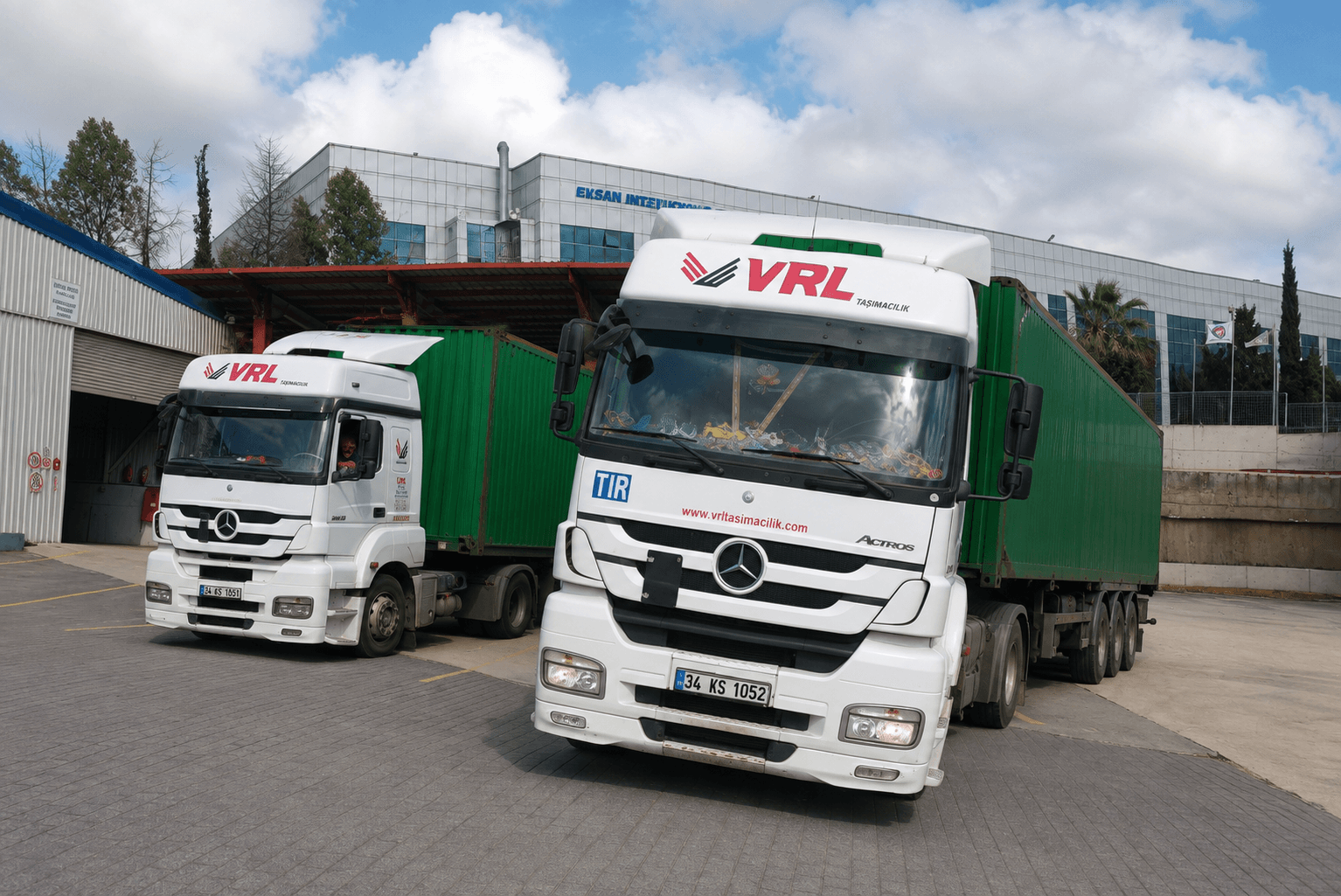
Key Tips and Best Practices in Container Transportation
Essential insights to minimize costs, eliminate cargo damage risks, and avoid costly port demurrage in international and domestic container freight.
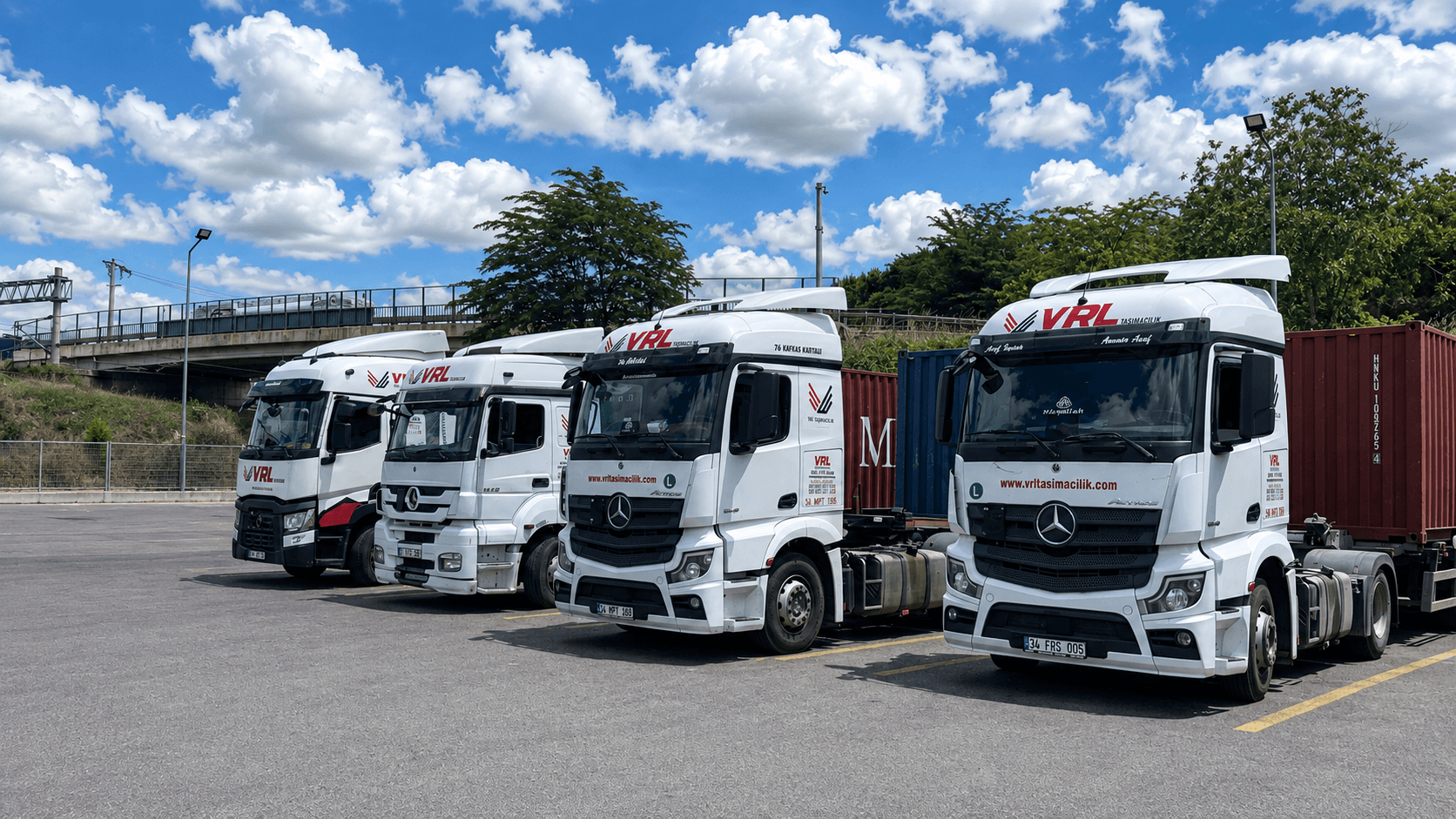
Key Safety Measures and Best Practices in Freight Delivery
Essential security protocols, real-time GPS fleet monitoring, tamper-evident sealing, and handover checklists to safeguard cargo against theft and damage.
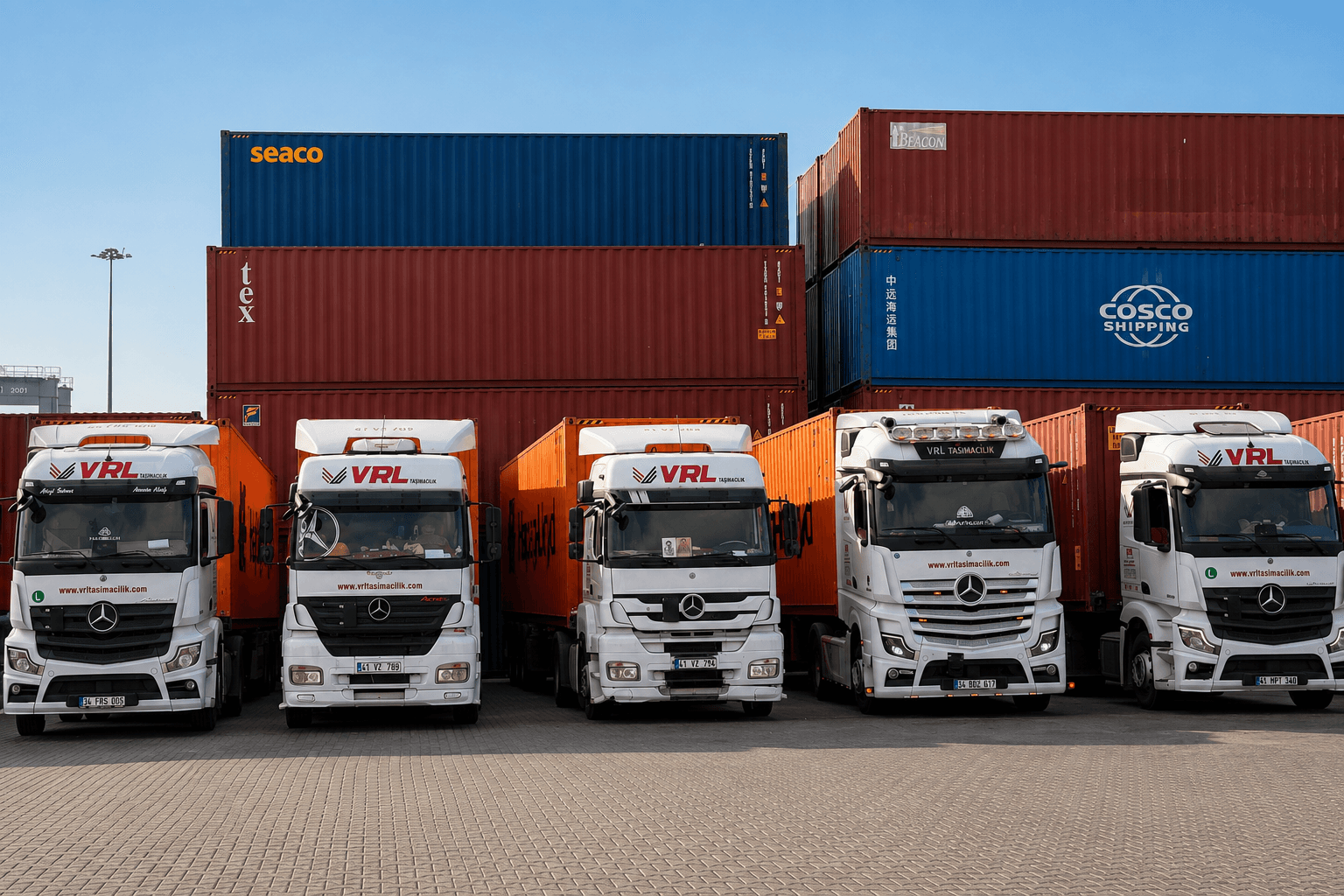
How to Reduce Logistics Costs with Groupage (LTL) Transport
Learn how partial freight consolidation allows you to pay solely for the space your cargo occupies, trimming freight overhead by up to 40%.